
This shelf
- Books in the decade
- 8
- Total words
- 1,255,019
- Reading time
- 69.7 h
- Quickest read
- The Fall of the House of Usher
The 1830s is the decade the novel learned to arrive in instalments. Dickens’s The Pickwick Papers began in March 1836 as a monthly shilling number and turned a sketch series into a national event; Oliver Twist started in Bentley’s Miscellany in February 1837 and reached book form in three volumes the following year. Part-issue put new fiction within reach of readers who could never have bought a three-decker, and it shaped the books themselves: chapters end on a hook because the next number had to be sold.
On the continent the decade produced two very different monuments. Hugo’s Notre-Dame de Paris appeared in 1831, a novel built around a building; Balzac’s Le Père Goriot followed in 1835, the book in which his habit of bringing the same characters back from novel to novel turns into a system rather than an accident. In the United States, Emerson published Nature anonymously in 1836, the essay that gave American Transcendentalism its first clear statement.
The non-fiction of the 1830s has lasted as well as the fiction. Clausewitz died in 1831 and On War was published the next year by his widow, unfinished; Darwin’s Journal of Researches — the voyage of the Beagle — came out in 1839, the same year Poe published “The Fall of the House of Usher”. A library that can put a Prussian staff officer, a Transcendentalist essay and a Gothic tale on one shelf is a fair portrait of the decade.
The shelf itself is small and wide: 8 titles, about 1,255,019 words and roughly 70 hours of reading, running from a 6,909-word Poe story to a 301,000-word Dickens novel. That range is the point of a decade page: it shows what ten years actually looked like, not a list of famous names.
Books first published in the 1830s
Ordered by year of first publication. The list is generated from the book pages, so new releases land here automatically; the table gives the word count and reading time for each title, and the cards above it link to the download pages.
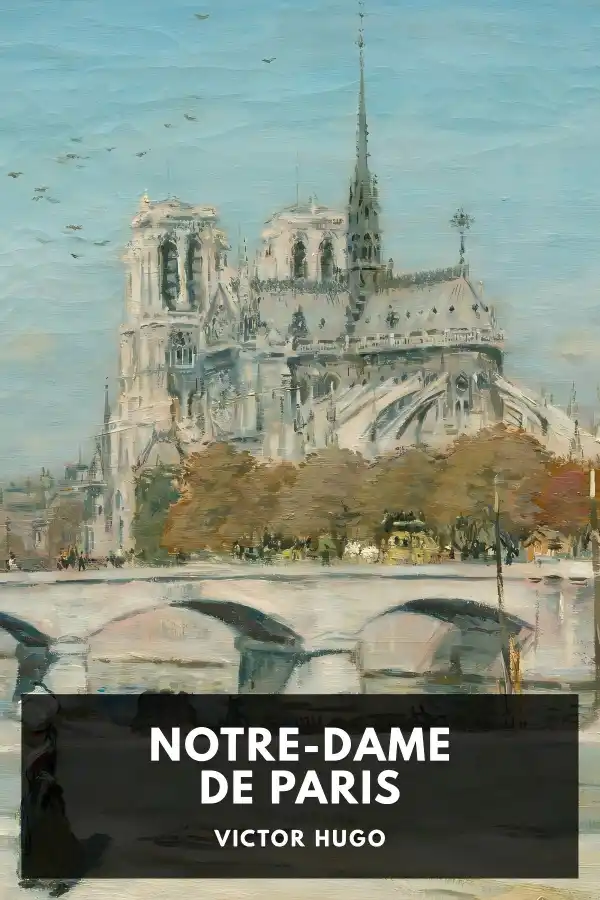 The Hunchback of Notre-Dame1831 · 184,000 words
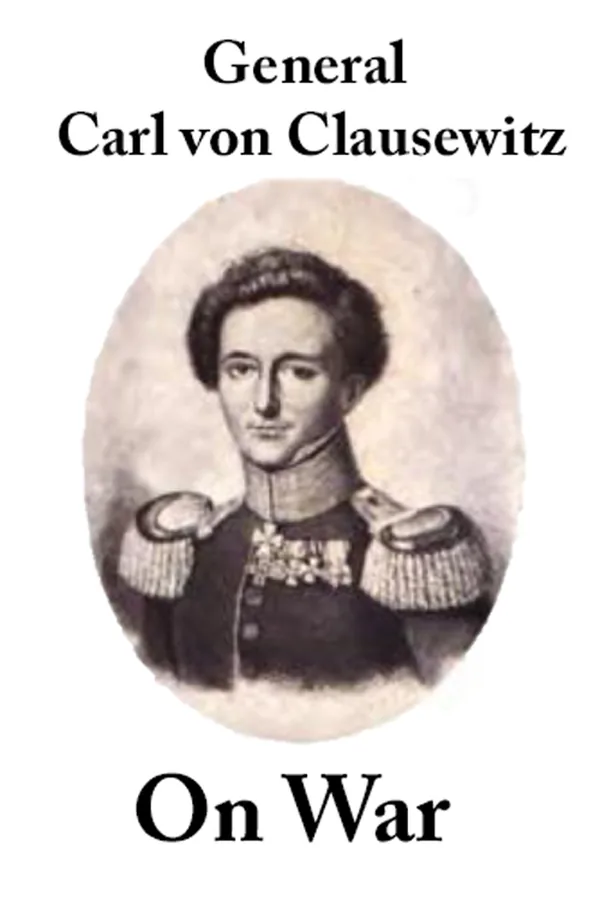 On War1832 · 296,700 words
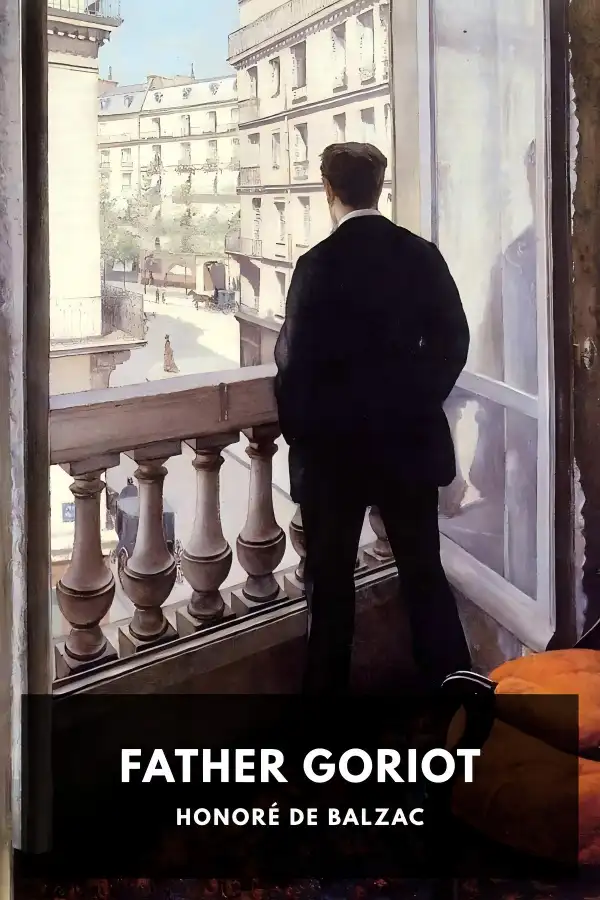 Father Goriot1835 · 105,000 words
 Nature1836 · 15,400 words
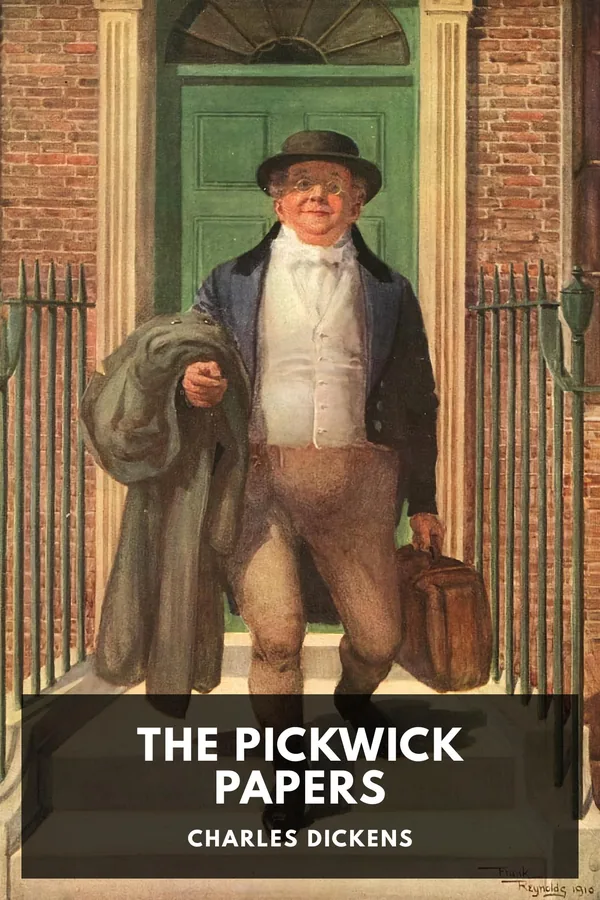 The Pickwick Papers1837 · 301,000 words
 Oliver Twist1838 · 161,010 words
 The Fall of the House of Usher1839 · 6,909 words
 The Voyage of the Beagle1839 · 185,000 words
| Year | Title | Words | Reading time |
|---|---|---|---|
| 1831 | The Hunchback of Notre-Dame — Victor Hugo | 184,000 | ~10 h |
| 1832 | On War — Carl von Clausewitz | 296,700 | ~16 h |
| 1835 | Father Goriot — Honoré de Balzac | 105,000 | ~6 h |
| 1836 | Nature — Ralph Waldo Emerson | 15,400 | ~1 h |
| 1837 | The Pickwick Papers — Charles Dickens | 301,000 | ~17 h |
| 1838 | Oliver Twist — Charles Dickens | 161,010 | ~9 h |
| 1839 | The Fall of the House of Usher — Edgar Allan Poe | 6,909 | ~1 h |
| 1839 | The Voyage of the Beagle — Charles Darwin | 185,000 | ~10 h |
Questions readers ask
How many books on editions.ink are from the 1830s?
8 titles, about 1,255,019 words, roughly 70 hours of reading.
What should I read first from this decade?
The Fall of the House of Usher (1839) is the shortest at about 0.4 hours; The Pickwick Papers (1837) is the longest at roughly 16.7 hours. For a single sitting start with Poe; for the decade’s whole comic range start with Dickens.
How are the dates chosen?
By first publication of the work in book form; the book pages give the exact edition and source used. Where a work was serialised first, the book date is the one on the page.
Can I read these on a Kindle or Kobo?
Yes: EPUB for most readers, AZW3 for older Kindles and KEPUB for Kobo devices, all direct downloads with no account.
Previous decade: the 1810s · Next decade: the 1840s · all decades
Part of the complete list of books by decade, with the word count and reading time table and the author index.