Sense and Sensibility by Jane Austen: Free EPUB, AZW3 & KEPUB Download
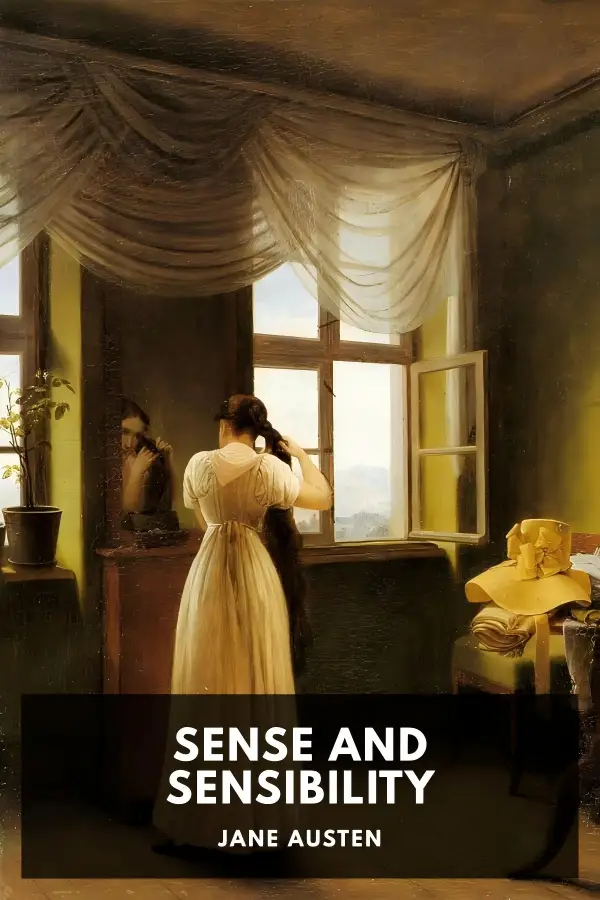
Sense and Sensibility
📖 Click to Read Chapter I Online Preview
I
The family of Dashwood had long been settled in Sussex. Their estate was large, and their residence was at Norland Park, in the centre of their property, where, for many generations, they had lived in so respectable a manner as to engage the general good opinion of their surrounding acquaintance. The late owner of this estate was a single man, who lived to a very advanced age, and who for many years of his life, had a constant companion and housekeeper in his sister. But her death, which happened ten years before his own, produced a great alteration in his home; for to supply her loss, he invited and received into his house the family of his nephew Mr. Henry Dashwood, the legal inheritor of the Norland estate, and the person to whom he intended to bequeath it. In the society of his nephew and niece, and their children, the old Gentleman’s days were comfortably spent. His attachment to them all increased. The constant attention of Mr. and Mrs. Henry Dashwood to his wishes, which proceeded not merely from interest, but from goodness of heart, gave him every degree of solid comfort which his age could receive; and the cheerfulness of the children added a relish to his existence.
By a former marriage, Mr. Henry Dashwood had one son: by his present lady, three daughters. The son, a steady respectable young man, was amply provided for by the fortune of his mother, which had been large, and half of which devolved on him on his coming of age. By his own marriage, likewise, which happened soon afterwards, he added to his wealth. To him therefore the succession to the Norland estate was not so really important as to his sisters; for their fortune, independent of what might arise to them from their father’s inheriting that property, could be but small. Their mother had nothing, and their father only seven thousand pounds in his own disposal; for the remaining moiety of his first wife’s fortune was also secured to her child, and he had only a life-interest in it.
The old gentleman died: his will was read, and like almost every other will, gave as much disappointment as pleasure.
Follow Elinor and Marianne Dashwood as they navigate love, societal expectation, and financial ruin. Download the complete unabridged edition for your e-reader.
Download Full EPUBSense and Sensibility is an 1811 novel by Jane Austen, following the Dashwood sisters—prudent Elinor and passionate Marianne—as they navigate love, betrayal, and financial hardship in Regency-era England. The novel explores themes of reason versus emotion, social expectation, and sisterly devotion. This Standard Ebooks edition is based on Project Gutenberg eBook #161 and is in the public domain in the United States.
About Jane Austen‘s Sense and Sensibility: Summary, Characters & Themes
Published in 1811, Sense and Sensibility is Jane Austen‘s published debut novel. This summary and analysis covers its plot, key characters, and major themes. It marked the entrance of Austen’s signature social realism into English literature.
Written against the backdrop of late-eighteenth-century philosophical debates between Enlightenment rationalism and Romantic sentimentalism, the novel dramatizes the complementary moral attitudes needed to navigate life, loss, and marriage.
The story follows the Dashwood sisters—prudent, self-governed Elinor and passionate, emotional Marianne—who are abruptly left impoverished alongside their widowed mother when Norland Park passes to their selfish half-brother John. Relocating to humble Barton Cottage in rural Devonshire, both sisters encounter the turbulent trials of courtship.
Elinor quietly nurtures an affection for Edward Ferrars, an honorable young gentleman whose emotional reserve masks a ruinous, secret engagement to the calculating Lucy Steele. Unwilling to distress her family, Elinor conceals her personal heartache beneath polite composure.
Meanwhile, Marianne passionately surrenders her heart to the dashing, gallant John Willoughby, recklessly scorning the silent devotion of the grave, honorable Colonel Brandon. When Willoughby abruptly departs for London and marries a wealthy heiress for financial security, Marianne’s despair plunges her into life-threatening illness.
Through their trials, Marianne learns the protective dignity of emotional restraint, while Elinor’s silent steadfastness is rewarded. Only when reason and raw feeling achieve true balance do both sisters find enduring domestic peace.
Key Characters & Literary Archetypes
- Elinor Dashwood (The Embodiment of “Sense” & Moral Fortitude): The eldest Dashwood sister, governed by prudence, self-command, and unselfish propriety. Far from being cold, Elinor feels profoundly, yet disciplines her passions to shield her dependent family.
- Marianne Dashwood (The Embodiment of “Sensibility” & Romantic Rebel): The vibrant, musical middle sister who scorns conventional etiquette in favor of unchecked romantic passion. Her journey traces the painful disillusionment of Romantic idealism when confronted with worldly deceit.
- Colonel Brandon (The Melancholy Anchor & Devoted Guardian): A quiet, honorable bachelor with a tragic romantic past. Enduring Marianne’s initial mockery of his age and flannel waistcoats, his selfless patience establishes him as the model of mature masculine devotion.
- Edward Ferrars (The Dutiful Gentleman & Bound Conscience): Shy and unassuming, lacking worldly ambition. Trapped between a youthful, foolish promise to Lucy Steele and his genuine love for Elinor, he represents the moral dilemma of upholding honor at the cost of personal happiness.
- John Willoughby (The Seductive Rake & Spendthrift Cad): A charismatic, energetic gentleman who flatters Marianne’s aesthetic tastes. Beneath his romantic charm lies a parasitic dependence on wealth, abandoning true love to marry an heiress.
- Lucy Steele (The Cunning Social Climber): Ignorant and vulgar yet gifted with shrewd flattery and self-preservation. She weaponizes female confidences against Elinor, illustrating the ruthless machinations of those scrambling for economic status.
- Mrs. Dashwood & John Dashwood (The Emotional Spectrum): The romantic, impulsive mother whose lack of financial caution mirrors Marianne, contrasted with the cold, avaricious half-brother who rationalizes breaking his deathbed promise of support to his sisters.
Core Literary Themes & Historical Significance
- Reason vs. Feeling (Sense vs. Sensibility): Austen does not condemn genuine emotion, but demonstrates that passion without practical restraint harms the self and society; true wisdom requires a harmony of rational discipline and tender feeling.
- The Financial Precariousness of Gentry Women: Austen exposes the vulnerability of women in Regency England, where rigid inheritance laws and lack of professional avenues forced daughters to balance personal integrity with the economic survival of marriage.
- Public Manners vs. Private Grief: The contrast between Elinor’s stoic endurance of heartbreak and Marianne’s theatrical indulgence of sorrow provides a profound psychological study of how society manages private trauma within polite domestic spaces.
Why Download Our Custom E-Reader Edition of Sense and Sensibility?
Jane Austen’s 1811 debut masterpiece Sense and Sensibility established modern domestic realism through the emotional trials of Elinor and Marianne Dashwood. Spanning all 50 chapters, it remains one of the foundational novels of English literature.
Cheap web conversions persistently disfigure Austen’s elegant prose. Automated formatters frequently flatten her subtle italicized inflections, scramble the layout of pivotal Regency love letters and formal dispatches, and break the delicate balance of her rhythmic conversational paragraphs. Our free, unabridged edition restores the Regency classic with meticulous e-reader optimization.
- The Unabridged 1811 Text: Faithfully sourced from the 1811 edition (via Project Gutenberg eBook #161), retaining Austen’s original punctuation, archaic spellings, and biting satirical nuances without late-Victorian alterations or modernized rewrites.
- Verified Public Domain Sources: This edition is transcribed from Standard Ebooks, based on Project Gutenberg eBook #161. Free to download and read in the United States public domain; check local laws outside the US.
- Regency Conversational Typographic Layout: Features bespoke CSS styling for Willoughby’s confessional correspondence, Lucy Steele’s manipulative letters, and subtle ironies in dialogue, ensuring clean indentation and high-contrast rendering across diverse E-Ink screens.
- Engineered Multi-Format Downloads: Reflowable EPUB with elegant chapter drop caps and responsive breaks for Apple Books and Android; Amazon-native AZW3 calibrated for seamless paragraph flow and margin kerning on Kindle Paperwhite, Oasis, and Scribe; and dedicated KEPUB enabling granular chapter progress and live reading analytics across all 50 chapters on Rakuten Kobo e-readers.