The Extraordinary Adventures of Arsène Lupin by Maurice Leblanc: Free EPUB, AZW3 & KEPUB Download
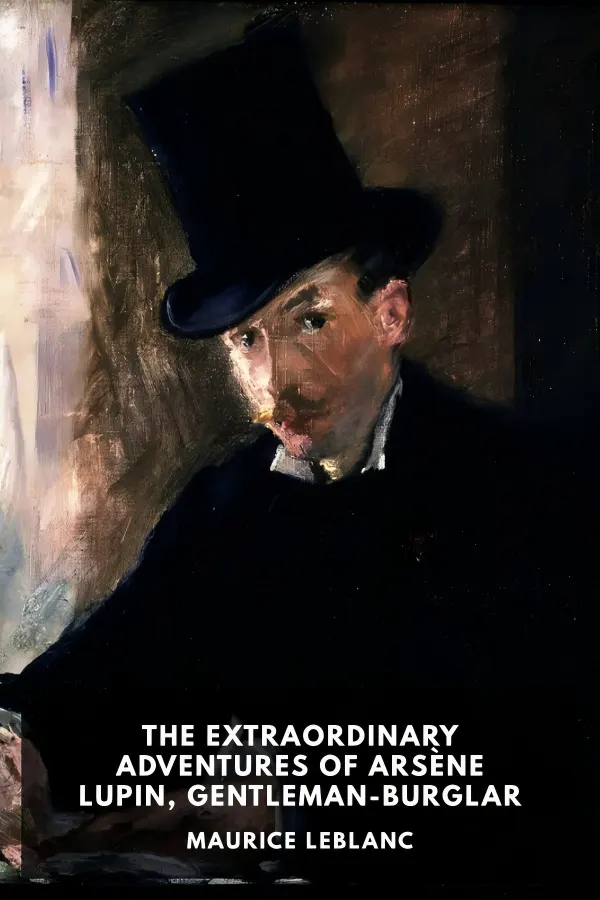
The Extraordinary Adventures of Arsène Lupin, Gentleman-Burglar
📖 Click to Read The Arrest of Arsène Lupin Online Preview
The Arrest of Arsène Lupin
It was a strange ending to a voyage that had commenced in a most auspicious manner.
The transatlantic steamship La Provence was a swift and comfortable vessel, under the command of a most affable man. The passengers constituted a select and delightful society. The charm of new acquaintances and improvised amusements served to make the time pass agreeably.
We enjoyed the pleasant sensation of being separated from the world, living, as it were, upon an unknown island, and consequently obliged to be sociable with each other.
Follow Arsène Lupin through nine tales of theft, disguise and escape, from a transatlantic liner to the châteaux of France. Download the complete unabridged edition for your e-reader.
Download Full EPUBTL;DR
The Extraordinary Adventures of Arsène Lupin, Gentleman-Burglar is a 1907 short story collection by Maurice Leblanc. Its nine tales follow a master thief who robs châteaux and salons, sends advance warnings, and leaves calling cards behind. He changes disguise at will, and the detective Ganimard spends years trying to catch him. The first story begins on a transatlantic liner, where a wireless message announces that Lupin is on board. This Standard Ebooks edition is based on Project Gutenberg #6133 and is in the public domain in the United States. The text was translated by George Morehead and prepared by Standard Ebooks.
The Extraordinary Adventures of Arsène Lupin, Gentleman-Burglar by Maurice Leblanc: Summary, Characters & Themes
The Extraordinary Adventures of Arsène Lupin, Gentleman-Burglar (1907) is Maurice Leblanc’s first collection of stories about the French master thief Arsène Lupin. It offers a summary and analysis of a character who steals from the rich, sends advance warnings, and treats burglary as an art. The nine stories move from a transatlantic liner to Paris prisons, Norman châteaux and the suburbs of the Belle Époque, and they helped establish Lupin as France’s answer to Sherlock Holmes.
The collection opens with “The Arrest of Arsène Lupin.” A wireless message interrupts a calm crossing on the liner La Provence with the news that Lupin is on board, travelling alone, blonde, with a wound on his right forearm. The passengers begin to suspect one another, and the narrator, Bernard d’Andrézy, is finally revealed as Lupin himself.
“Arsène Lupin in Prison” shows Lupin directing a robbery from his cell at the Santé. He warns Baron Cahorn by letter that his Rubens and Watteau will be taken on a fixed night, and the theft is carried out while the baron stands guard with a detective who is really one of Lupin’s men.
“The Escape of Arsène Lupin” describes how Lupin swaps places with a harmless tramp named Baudru and leaves prison before his trial. “The Mysterious Traveller” has Lupin robbed on a train by another thief, whom he then captures and identifies as the murderer Pierre Onfrey.
Later stories include “The Queen’s Necklace,” in which Lupin returns the historic jewel to the Dreux-Soubise family; “The Seven of Hearts,” a locked-room mystery built around a safe hidden in a mosaic king; “Madame Imbert’s Safe,” where Lupin is outwitted by counterfeit bonds; “The Black Pearl,” in which he recovers a stolen jewel from a murderer; and “Herlock Sholmes Arrives Too Late,” a playful duel with a thinly disguised Sherlock Holmes.
This Standard Ebooks edition is based on Project Gutenberg #6133, with scans from the HathiTrust Digital Library. The English text was translated by George Morehead in 1910. The book is in the public domain in the United States; readers outside the US should check local copyright law. The edition is produced by Standard Ebooks.
Historical Context
Leblanc began publishing Lupin stories in the French magazine Je sais tout in 1905. The character appeared in the same decade as Sherlock Holmes and the early Arsène Lupin serials caught the public imagination at once. Belle Époque France was full of newspapers, exposés and scandals, and Lupin’s habit of announcing his crimes in the press fits the period’s taste for publicity.
Key Characters & Literary Archetypes
- Arsène Lupin (The Gentleman-Burglar): A master thief who works only in châteaux and salons, sends advance notice of his thefts, and changes disguise at will. He is the collection’s central figure and its anti-hero.
- Ganimard (The Detective): A Paris police detective and Lupin’s long-suffering adversary. He is competent, stubborn and repeatedly outmanoeuvred.
- Bernard d’Andrézy (The Narrator): A young man aboard La Provence who is revealed in the first story to be Lupin in disguise.
- Miss Nelly Underdown (The American Heiress): A wealthy and beautiful passenger who becomes the object of Lupin’s affections and, briefly, his accomplice.
- Baron Cahorn (The Collector): A recluse whose château at Malaquis holds the Rubens and Watteau that Lupin covets.
- Herlock Sholmes (The English Detective): A thinly veiled parody of Sherlock Holmes, who arrives in France to catch Lupin and leaves without him.
Core Literary Themes
- Theft as Art: Lupin treats burglary as a craft. He plans, rehearses and stages his crimes, and he takes pride in doing them well.
- Identity and Disguise: Lupin is a chameleon. He can be a chauffeur, a detective, a bookmaker, a Russian physician or a Spanish bullfighter as the occasion demands.
- Law and Its Limits: The police are not stupid, but they are always one step behind. The stories ask who really holds the upper hand in a society obsessed with order.
- Publicity and Reputation: Lupin uses newspapers as part of his methods. He enjoys the fame his crimes bring him, and he writes to the press himself.
- French Identity and the English Rival: The duel with Herlock Sholmes is a light-hearted contest between French wit and English method, and Lupin wins it.
Why Download Our Custom E-Reader Edition of The Extraordinary Adventures of Arsène Lupin, Gentleman-Burglar?
Maurice Leblanc published this first collection of Arsène Lupin stories in 1907. It is part detective fiction, part comedy of manners, and part tribute to the pleasure of a well-planned theft. George Morehead’s English translation appeared in 1910 and is the version most readers know today.
The nine stories follow Lupin from a transatlantic liner to a Paris prison cell, then on to Norman châteaux, a locked room with a mosaic king, a train robbery, and a final duel with a thinly disguised Sherlock Holmes. Each story stands alone, but read together they build a portrait of a thief who is also a performer.
Most free digital copies of this book come from older transcriptions with inconsistent punctuation, missing accents and no proper chapter navigation. This edition fixes those problems. It is based on the Standard Ebooks text, which was carefully proofread against the 1910 translation and includes modern typography and clean structural markup.
- Based on the Standard Ebooks Edition, via Project Gutenberg #6133: The text was proofread against the 1910 Morehead translation, with scans from the HathiTrust Digital Library used to verify uncertain readings.
- Granular Architectural NCX/Nav Structural Navigation: Every story is properly marked up, so your e-reader can jump straight to any of the nine tales without guesswork.
- Calibrated Typographical Layout for Detective Short Stories: Dialogue, scene breaks and chapter openings are spaced for comfortable reading on both small phones and large tablets.
- Verified Public Domain Sources: The text comes from Project Gutenberg #6133 and is checked against the Standard Ebooks edition.