Romeo and Juliet by William Shakespeare: Free EPUB, AZW3 & KEPUB Download
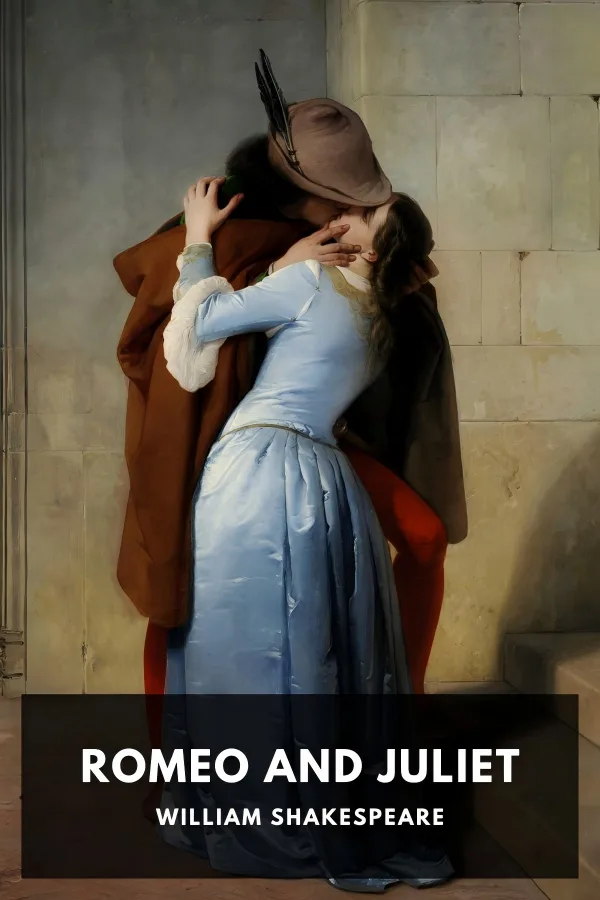
Romeo and Juliet
📖 Click to Read the Prologue Online Preview
Prologue
Two households, both alike in dignity,
In fair Verona, where we lay our scene,
From ancient grudge break to new mutiny,
Where civil blood makes civil hands unclean.
From forth the fatal loins of these two foes
A pair of star-cross’d lovers take their life;
Whose misadventured piteous overthrows
Do with their death bury their parents’ strife.
Two feuding Veronese houses, a secret marriage, and a chain of fatal mischances. Download the complete unabridged edition for your e-reader.
Download Full EPUBTL;DR
Romeo and Juliet is an Elizabethan tragedy by William Shakespeare, first published in 1597, following two young lovers from feuding Veronese families whose secret marriage collapses into a chain of fatal mischances, exploring themes of love and violence, youth and haste, fate and reconciliation. This Standard Ebooks edition is based on the MIT Shakespeare transcription and digital scans from the HathiTrust Digital Library, and the text is in the public domain in the United States; readers outside the US should check their local laws. Available via Standard Ebooks.
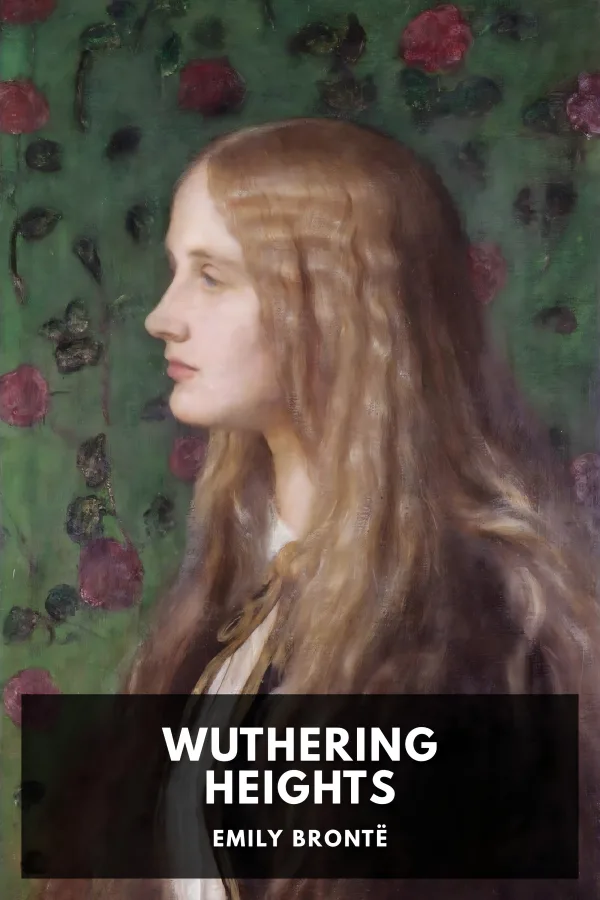
Romeo and Juliet by William Shakespeare: Summary, Characters & Themes
First published in 1597, Romeo and Juliet is William Shakespeare’s tragedy of two young lovers in Verona, caught between feuding families and their own reckless haste. This summary and analysis follows the play from a street brawl to a secret marriage to the tomb, where love and violence arrive at the same end.
The play opens with a quarrel between servants of the Montagues and the Capulets. The Prince breaks up the fight and warns that the next outbreak will cost lives. Romeo, still sulking over a woman who does not love him, is persuaded to attend a Capulet feast.
At the feast he meets Juliet, and the two fall in love before either learns the other’s name. They marry in secret the next day, with Friar Laurence officiating and hoping the union will end the feud between their houses.
The plan collapses quickly. Tybalt kills Mercutio in a street fight, Romeo kills Tybalt in revenge, and the Prince banishes him from Verona. Juliet’s father, meanwhile, arranges for her to marry Paris. Friar Laurence gives her a potion that makes her appear dead, planning to reunite her with Romeo when she wakes.
The letter explaining the plan never reaches Romeo. Hearing that Juliet is dead, he buys poison and returns to Verona. He finds Paris at the tomb, kills him, and drinks the poison beside Juliet’s body. She wakes, sees him dead, and kills herself with his dagger. The two families, confronted with the cost of their feud, finally reconcile.
Historical Context: Elizabethan Verona and the Stage
Shakespeare wrote Romeo and Juliet around 1595, drawing on an Italian tale that had already passed through several hands. The story was familiar to Elizabethan audiences, but Shakespeare gave it a psychological intensity the earlier versions lacked.
The play belongs to a London theatre world that was expanding fast. Public playhouses drew audiences from every rank, and tragedy was the genre in which a playwright could test the limits of language and feeling. The Prologue, the sonnets shared by the lovers, and the compressed timeline all show Shakespeare writing for a stage that rewarded speed and wit.
Key Characters & Literary Archetypes
- Romeo (The Impetuous Lover): A young Montague who moves from melancholy to passion in a single evening. His speed is both his charm and his flaw, and the play turns on his refusal to slow down.
- Juliet (The Clear-Eyed Heroine): Barely fourteen, and sharper than anyone around her. She sees the danger of the match before Romeo does, yet chooses him anyway, and her courage in the tomb is the play’s hardest scene.
- Mercutio (The Wit and the Casualty): Romeo’s friend, quick with puns and impatient with romance. His death in Act III is the hinge of the play: after it, comedy is no longer possible.
- Tybalt (The Hot-Blooded Kinsman): Juliet’s cousin, who treats the feud as a personal matter. He is the play’s engine of violence, and his death makes Romeo’s banishment inevitable.
- Friar Laurence (The Well-Meaning Plotter): A Franciscan who marries the lovers and devises the sleeping-potion scheme. He means well, and his schemes fail anyway — the play’s quiet comment on good intentions.
- The Nurse (The Indulgent Guardian): Juliet’s childhood nurse, fond, garrulous and ultimately unreliable. She advises Juliet to forget Romeo and marry Paris, and Juliet’s break with her is one of the play’s sharpest turns.
Core Literary Themes
- Love and Violence: The play refuses to separate the two. The same families that produce the lovers produce the feud, and the language of devotion borrows freely from the language of war.
- Youth and Haste: Everything in Verona happens too fast. The lovers meet, marry and die inside a week, and the play treats speed as both a virtue and a death sentence.
- Fate and Accident: The Prologue calls the lovers “star-cross’d,” but the plot advances through missed letters and mistimed arrivals. Shakespeare keeps fate and chance in the same frame.
- Language and Its Limits: Romeo and Juliet speak in sonnets when they meet, and in plain, broken prose when they part. The play tracks what happens when eloquence runs out.
- Reconciliation Through Loss: The feud ends only after both children are dead. The final scene offers peace, but it is peace bought at a price no one in the play would have chosen.
Read the full unabridged text in our DRM-free EPUB, AZW3, or KEPUB edition, based on the Standard Ebooks transcription of the MIT Shakespeare text.
Why Download Our Custom E-Reader Edition of Romeo and Juliet?
Shakespeare wrote Romeo and Juliet around 1595, and it was first printed in 1597. It is the play that gave English the phrase “star-cross’d lovers,” and it still reads as the sharpest study of what happens when love and violence share a city.
Two teenagers from feuding Veronese houses meet at a feast, marry in secret, and are dead within a week. The plot turns on a letter that never arrives and a potion that works too well, but the real subject is speed — the play is less about fate than about how quickly people act when they are certain.
Generic digital transcriptions of Shakespeare often flatten the verse into prose blocks, lose the stage directions, or silently modernise spellings. Our edition keeps the line breaks, the scene divisions, and the original punctuation, so the play reads on an e-reader the way it was set for the stage.
- Based on the Standard Ebooks Edition, via the MIT Shakespeare Transcription: Sourced from the Standard Ebooks edition of the play, itself based on the MIT Shakespeare transcription and digital scans from the HathiTrust Digital Library. Preserves the full text across all five acts, the Prologue, and every scene, without abridgement or modernised spelling.
- Granular Architectural NCX/Nav Structural Navigation: Jump directly to any act or scene from the table of contents. The play’s five-act structure, its twenty-four scenes, and the Prologue are all indexed, so you can move between the balcony scene, Mercutio’s death, and the final tomb without scrolling through the whole text.
- Calibrated Typographical Layout for Elizabethan Drama: Verse lines, prose passages, stage directions and speaker names are styled distinctly, so the page reads as a script rather than a novel. Paragraph indents are tuned for blank verse, and contrast is set for comfortable reading across Kindle (AZW3), Kobo Clara/Libra (KEPUB), and open EPUB readers.
- Verified Public Domain Sources: The source text is in the United States public domain; users outside the United States should check their local laws. Sourced from the Standard Ebooks edition, based on the MIT Shakespeare transcription and HathiTrust Digital Library scans.