Crime and Punishment by Fyodor Dostoevsky: Free EPUB, AZW3 & KEPUB Download
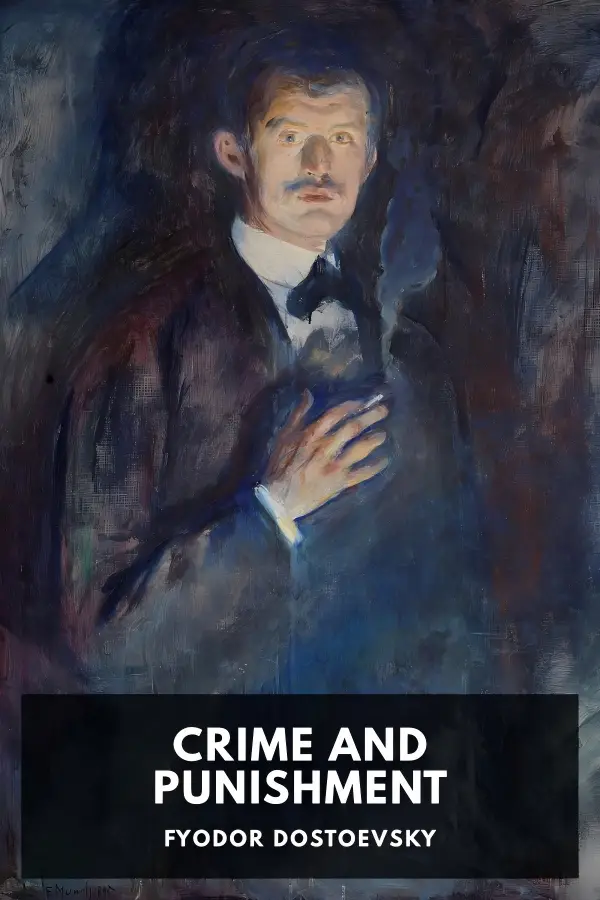
Crime and Punishment
📖 Click to Read Part I Online Preview
Part I — I
On an exceptionally hot evening early in July a young man came out of the garret in which he lodged in S—— Place and walked slowly, as though in hesitation, towards K—— bridge.
He had successfully avoided meeting his landlady on the staircase. His garret was under the roof of a high, five-storied house and was more like a cupboard than a room.
He had become so completely absorbed in himself, and isolated from his fellows that he dreaded meeting, not only his landlady, but anyone at all. He was crushed by poverty, but the anxieties of his position had of late ceased to weigh upon him.
Follow Raskolnikov into the feverish alleyways of St. Petersburg and the crucible of guilt and spiritual rebirth. Download the complete unabridged edition for your e-reader.
Download Full EPUBCrime and Punishment is an 1866 psychological novel by Fyodor Dostoevsky, presented here in Constance Garnett’s 1914 English translation. It follows Rodion Raskolnikov, a destitute student in St. Petersburg who murders a pawnbroker and her sister, then spirals through guilt, paranoia, and spiritual crisis before confessing and accepting Siberian exile. Its central themes are guilt, moral redemption, the limits of rational justification, and the possibility of rebirth through suffering and love. This Standard Ebooks edition is based on Project Gutenberg eBook #2554 and is in the public domain in the United States; readers outside the US should check their local laws.
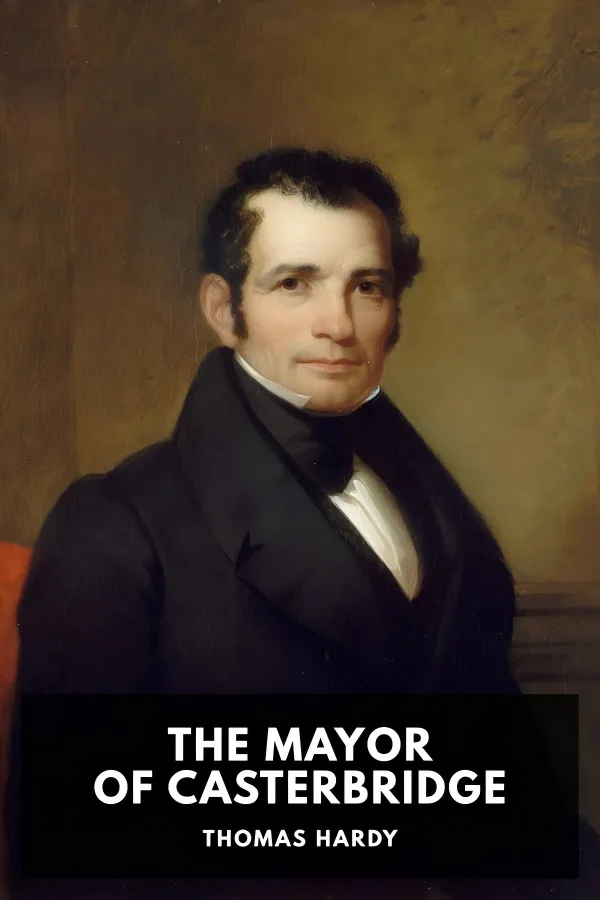
About Dostoevsky’s Crime and Punishment: Summary, Characters, and Themes
First published in twelve monthly installments in the literary journal The Russian Messenger in 1866, Crime and Punishment is Fyodor Dostoevsky‘s supreme psychological masterpiece. This Standard Ebooks edition presents Constance Garnett‘s 1914 English translation, based on Project Gutenberg eBook #2554.
Written during acute financial destitution following his years in a Siberian penal battalion, Dostoevsky constructed a harrowing narrative that shattered the rationalist utopian assumptions of nineteenth-century European thought. What follows is a summary and analysis of its story, its major characters, and its enduring themes.
Summary: Murder, Guilt, and the Road to Siberia
Set amidst the oppressive summer heat, squalor, and haymarkets of St. Petersburg, the novel follows Rodion Raskolnikov, an impoverished, intellectually brilliant former law student.
Tormented by poverty and seduced by radical utilitarian theories, Raskolnikov formulates a theory dividing humanity into the “ordinary” herd and the “extraordinary” few who possess the moral right to overstep conventional laws for higher social ends.
To test whether he is an extraordinary “Napoleon” or merely a common louse, Raskolnikov murders an elderly pawnbroker with an axe, and is unexpectedly forced to kill her innocent half-sister Lizaveta as well.
Instead of feeling liberated, he is immediately plunged into feverish isolation, physical delirium, and spiritual terror. The real punishment is not the legal sentence, but the psychological severance from human fellowship.
Engaged in a cat-and-mouse duel of minds with magistrate Porfiry Petrovitch, Raskolnikov is ultimately drawn toward Sofya Semyonovna Marmeladov, a devout, self-sacrificing woman who points him toward confession and resurrection in Siberia.
Characters: Key Figures and Literary Archetypes
- Rodion Romanovitch Raskolnikov (The Divided Intellect & Tragic Nihilist): His name derives from the Russian word raskol (schism). He embodies the dangerous hubris of rationalist ideology warring against innate human compassion.
- Sofya Semyonovna Marmeladov / “Sonia” (The Holy Sinner & Archetype of Christian Grace): Forced into prostitution to feed her starving stepfamily, she retains absolute spiritual purity, selfless humility, and faith. She represents redemptive suffering and divine unconditional love.
- Porfiry Petrovitch (The Psychological Inquisitor): The shrewd, unhurried magistrate investigating the double homicide. Relying on psychological deduction and gentle mockery, he leads Raskolnikov to voluntary confession.
- Arkady Ivanovitch Svidrigaïlov (The Corrupted Shadow & Complete Nihilist): Raskolnikov’s dark double, who has eradicated moral restraint. Wealthy, cynical, and haunted by ghostly specters, his suicide illustrates the dead-end of absolute amoral freedom.
- Dmitri Prokofitch Razumihin (The Loyal Companion & Grounded Common Sense): Raskolnikov’s warm-hearted, industrious fellow student. His name derives from razum (reason or good sense), embodying healthy labor, social empathy, and moral balance.
Themes and Historical Significance
- The Bankruptcy of Rationalist Utilitarianism: Dostoevsky refutes the idea that moral worth can be calculated mathematically, proving that treating human lives as abstract equations leads to monstrous bloodshed.
- Punishment as Psychological and Spiritual Alienation: The novel argues that true punishment is not state imprisonment, but the unbearable isolation that cuts a murderer off from the warmth of human community.
- Resurrection through Voluntary Suffering: Through the biblical story of the raising of Lazarus, Dostoevsky asserts that redemption requires acknowledging guilt, surrendering intellectual pride, and embracing spiritual renewal.
Why Download Our Custom E-Reader Edition of Crime and Punishment?
First published in twelve monthly installments in The Russian Messenger (Russkiy Vestnik) in 1866, Fyodor Dostoevsky’s Crime and Punishment (Prestupleniye i nakazaniye) stands as a towering summit of psychological realism and philosophical suspense.
Tracking Rodion Romanovitch Raskolnikov—an impoverished, alienated former law student in sweltering St. Petersburg who murders an elderly pawnbroker and her innocent sister to test his radical “extraordinary man” theory—the novel delves into the anatomy of guilt, intellectual hubris, and spiritual resurrection.
Generic web dumps and automated conversions continually mar Dostoevsky’s dense polyphonic masterpiece: they collapse complex patronymic dialogues, strip Part-and-Chapter hierarchical landmarks, and mangle the feverish psychological monologues.
Our edition delivers an archival, unabridged reading experience calibrated for modern E-ink displays.
- 1914 Constance Garnett English Translation Fidelity: Features the celebrated, historically definitive unabridged translation by Constance Garnett (1914). Preserves Dostoevsky’s complete six-part narrative arc, the essential Siberian Epilogue, and authentic nineteenth-century Russian naming conventions without modernization or bowdlerization.
- Granular Multi-Tiered Navigation Structure: Effortlessly trace Raskolnikov’s psychological deterioration with a deeply structured table of contents. Seamlessly navigate between pivotal milestones—the axe murder near the Hay Market, the claustrophobic interrogations by magistrate Porfiry Petrovitch, Marmeladov’s drunken confession, Sofya Semyonovna Marmeladov’s reading of the Raising of Lazarus, and the final confession at the police office.
- Calibrated Typography for Polyphonic Dialogue and Monologues: Dostoevsky’s philosophical debates and frantic interior monologues demand rigorous typographic breathing room. Our edition applies calibrated paragraph indents, distinct styling for letters and legal testimonies, and zero-glare contrast across Kindle Paperwhite (AZW3), Kobo Libra/Clara (KEPUB), and open EPUB devices.
- Verified Public Domain Sources: Built on the Standard Ebooks edition of Constance Garnett’s 1914 translation, based on Project Gutenberg eBook #2554 and Internet Archive scans. The source text is in the public domain in the United States; readers outside the US should check their local laws.